
Issue 04 · spring · A studio journal from Utrecht
Slow practice. Warm hands. Quiet hours.
A small spa journal — slow rituals for body and quiet.
Issue 04 · spring · A studio journal from Utrecht
A small spa journal — slow rituals for body and quiet.
Eight pieces on the table modalities we keep returning to — Swedish, deep tissue, shiatsu, lomi-lomi, lymphatic drainage, reflexology, hot stone, and the long-overlooked head and scalp.
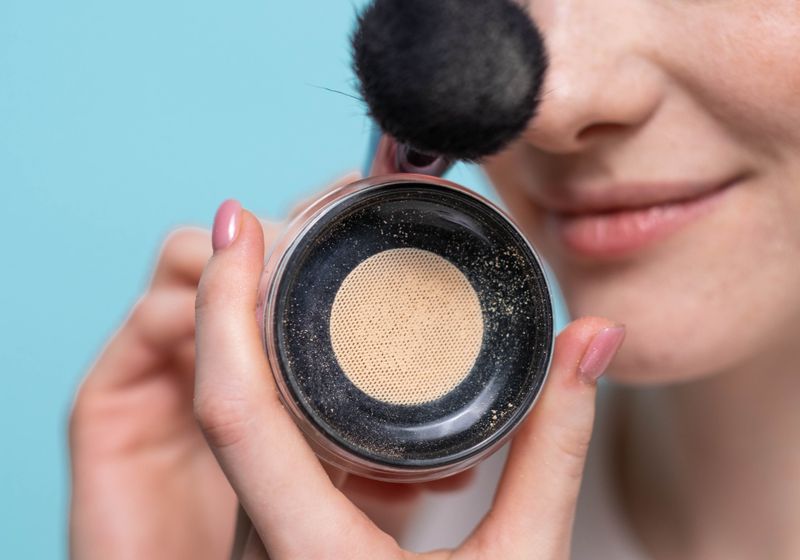
Why the gentlest of the table modalities is the one we send most clients toward — and what it teaches a nervous system that has forgotten how to be held.

On why hard pressure and deep pressure are different practices entirely, and how to find a practitioner who actually changes the tissue.
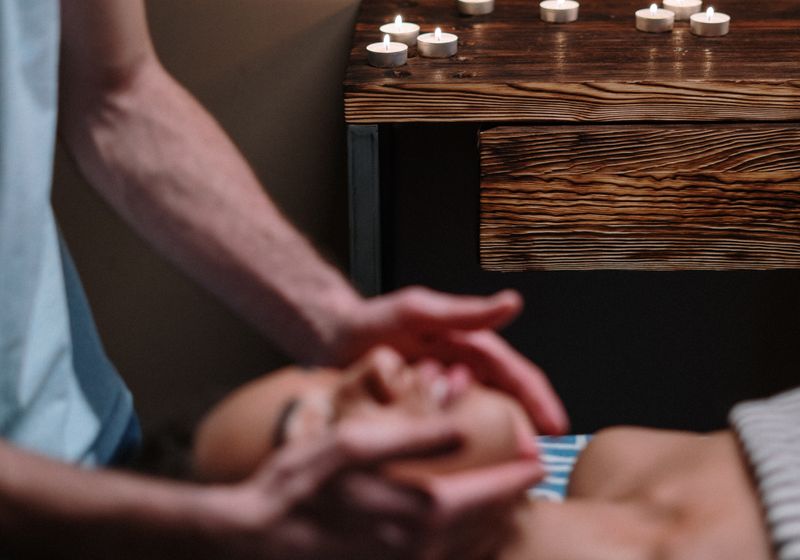
A short field note on the Japanese floor-mat practice that has taught me more about listening with hands than any modality I have learned.

On the Hawaiian forearm modality, the audible breath, and why a body that has been over-spoken-to lands well under this kind of touch.

A note on the modality whose pressure is barely a touch at all, and what kind of stuck body it is uniquely useful for.
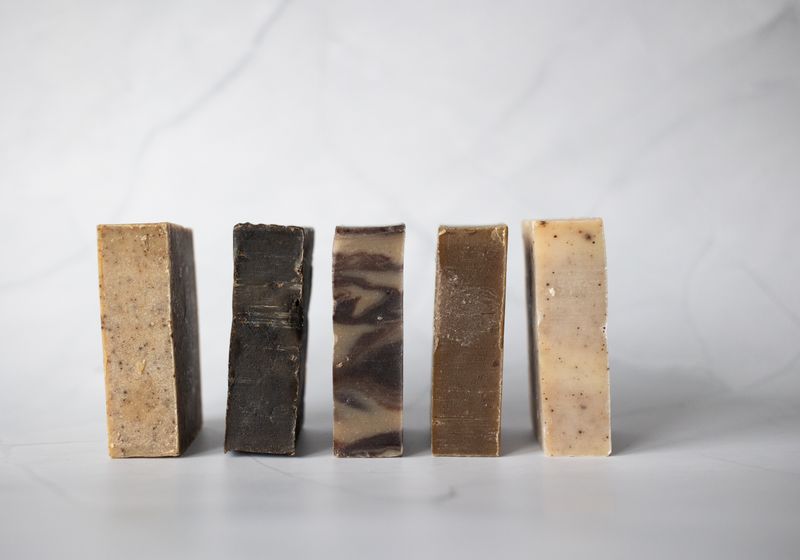
On the modality that treats the sole of the foot as a map of the whole body, and what a serious reflexologist actually does in the hour.

An honest note on basalt stone work — what real stone massage is, what the spa-package version is not, and when the warmth is the right tool.

Why the head deserves a real share of the table hour, and what changes in how a client leaves the studio when it gets one.
Eight notes on the daily and weekly care of the skin — dry brushing, salt and sugar scrubs, wraps, oils, baths, the post-shower window, the contrast shower.

On the small natural-bristle practice that has changed how the skin sits on the body, and what to ignore in the wellness writing around it.

Coarse sea salt and a good oil — the honest version of the body scrub, and the small mistakes that turn it into a chore.
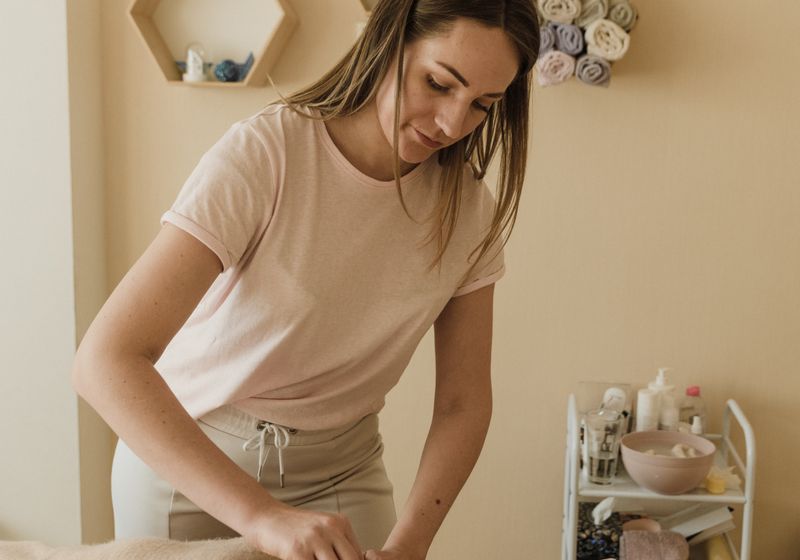
When sugar is the right abrasive instead of salt, the ratio we have used for years, and where on the body it belongs.

On the two traditional body wraps that still hold up, the marketing claims that do not, and a small home version with a jar of clay.

Why the body-care budget has moved into a few well-chosen oils, and the three jars that would survive a shelf clear-out.

How to make a bath that actually does what a good bath should do, and why most baths fall short by twenty minutes and forty degrees.

The thirty seconds after the shower that do most of the lotion's useful work, and the timing mistake almost everyone makes with it.
On the small temperature ritual at the end of the shower that wakes circulation, and why ice-cold is not the goal.
Eight pieces on small breath and mind practices — box breathing, body scans, the sleep runway, restorative pauses, evening journaling, weighted blankets, soundscapes, candlelight.

The simplest breathing pattern I keep returning to for a fast nervous system, and the small modifications that keep it sustainable.
On the lying-down practice that has changed how I end most teaching weeks — what it asks of you, and what it gives back.

Why most sleep trouble is not a sleep problem but an evening-architecture problem, and what the runway looks like in practice.
On the small breath-pauses dropped into the working day, and why they prevent the late-afternoon collapse most days arrive at.

On the small evening journaling practice that has outlasted every more elaborate version I have tried.

Why ten percent of body weight is roughly right, when to use it, and the practical mistakes that turn it from a help into a chore.

On low ambient sound through the bedroom — rain, brown noise, wind — and why structured music keeps the mind awake to follow.
On the small evening gesture — one candle lit, the overhead lights off — that begins the downshift of the day.
Eight practical pieces on the spa procedures you can do well — the three-step evening cleanse, gua sha, jade roller, clay mask, aromatherapy, hydration, steam facial, face brushing.

The simple three-stage evening face wash I have used for years, and why the order of the steps matters more than the products.
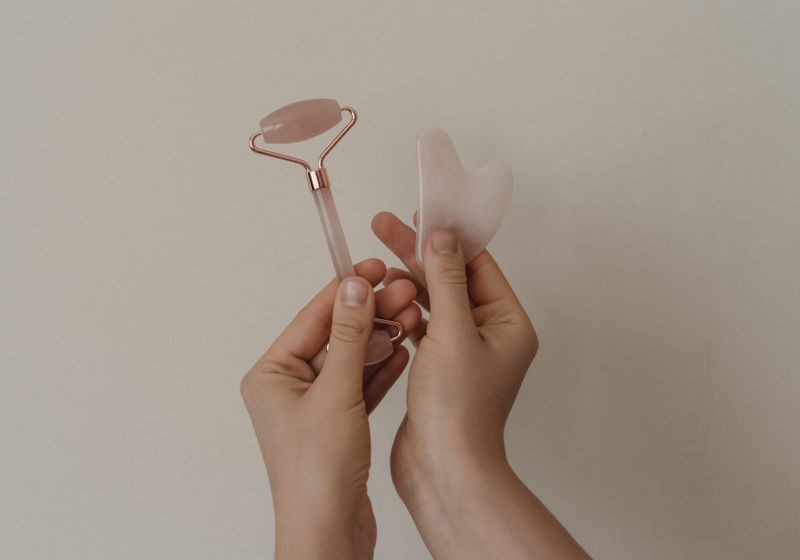
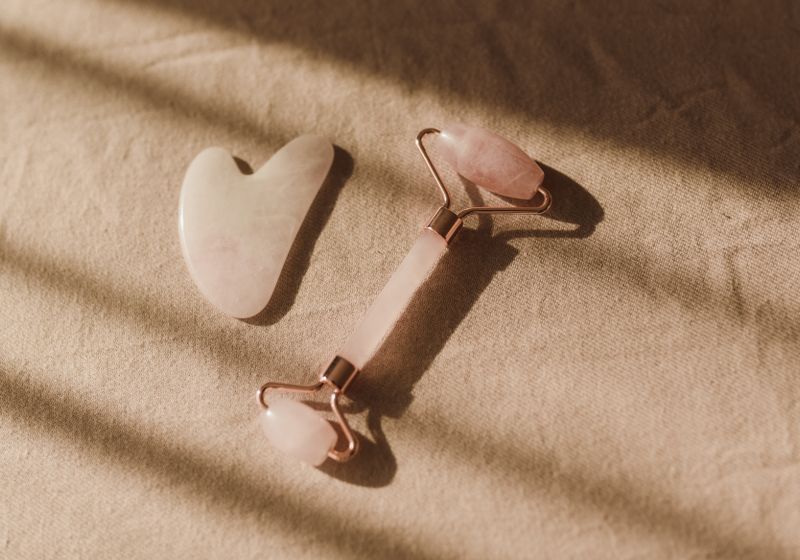
On the small stone tool that has become fashionable, the genuine benefits when it is used properly, and the much more common mistakes that produce none.
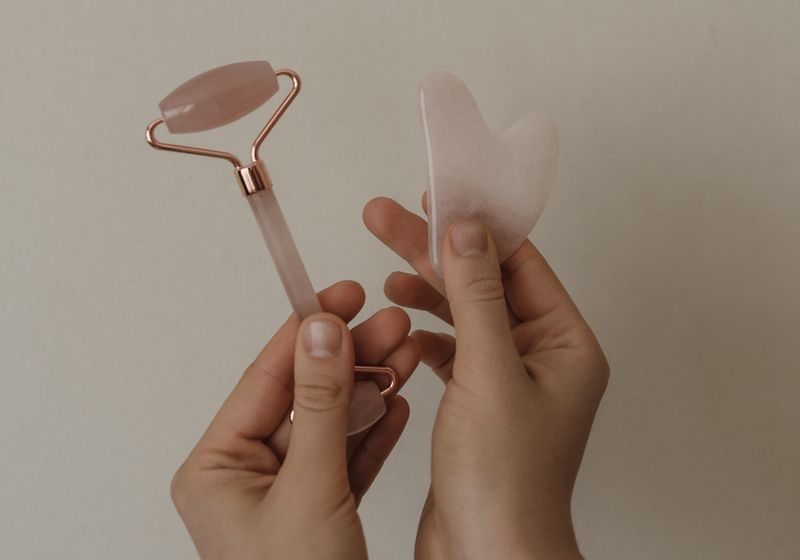
On the cool morning facial-roller practice that takes three minutes and resolves the puff of the wake-up face.
On the weekly clay mask done correctly — what to use, when to rinse, and why a mask should never be allowed to crack.

The session structure I use in the studio for aromatherapy hours, and why the simplest blends do more than the elaborate ones.
A small piece on hydration that is not the eight-glasses rule, and the small adjustments that change how the day sits in the body.
On the bowl-and-towel facial steam at the end of a long week, and what to layer on the open skin afterwards.

On the soft natural-fibre face brush — what it does that scrubs do not, and why the body brush is the wrong tool for the face.
Eight pieces on the small architecture of home self-care — weekly planners, DIY oil blends, the gear list, slow Sunday mornings, the monthly reset, magnesium soaks, herbal teas.

Why the week is the right unit for self-care planning, and the five small rituals I scatter through the seven days.

On mixing your own massage oil — the base oils, the essential oils, and the small bottles that make the practice sustainable.
On the few honest tools that turn a bathroom into a room where rituals happen, and what to leave off the shelf.

On the small architecture of a Sunday morning that ends in rest rather than the lag of catching up.

On the one Saturday evening every four weeks that prevents the small accumulations of the previous month from compounding.
On the three hours between dinner and bed, and how their small architecture decides whether the night will land easily.
On the small basin-of-warm-water-and-flakes practice after dinner, and what it actually does and does not do.

On the rhythm of different infusions through different hours, and why a single calming tea at every hour is the wrong move.